Ramesseum aerial view
Saving the Ramesseum

Adopt a stone from the Temple of Ramesses II

Help restore one of ancient Egypt's greatest temples by sponsoring a stone of the Ramesseum.

Learn more
€2,260 raised€300,000 goal
17
Stones sponsored
17
Donors
1%
Funded

UNESCO World Heritage

Listed since 1979

CNRS / MAFTO Mission

Franco-Egyptian research

Since 1991

35 years of restoration

Heritage of humanity

A 3,200-year-old temple

The History of the Ramesseum

A millennial temple that needs you
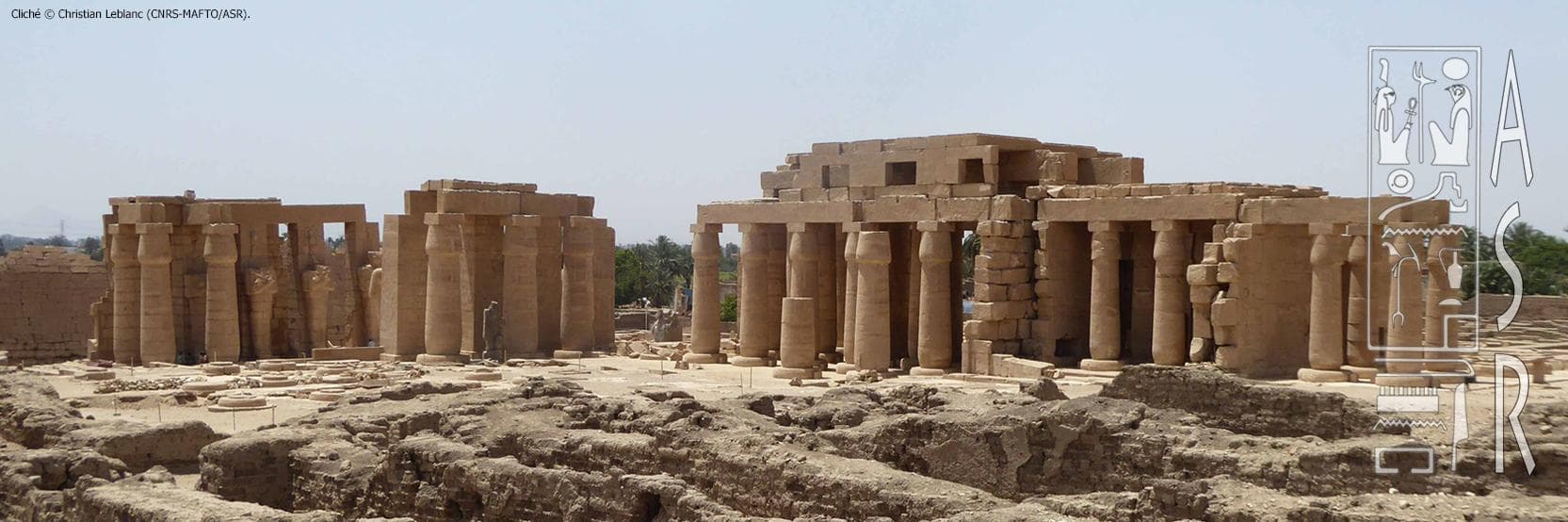
Ramesseum panorama

The reign of a great pharaoh

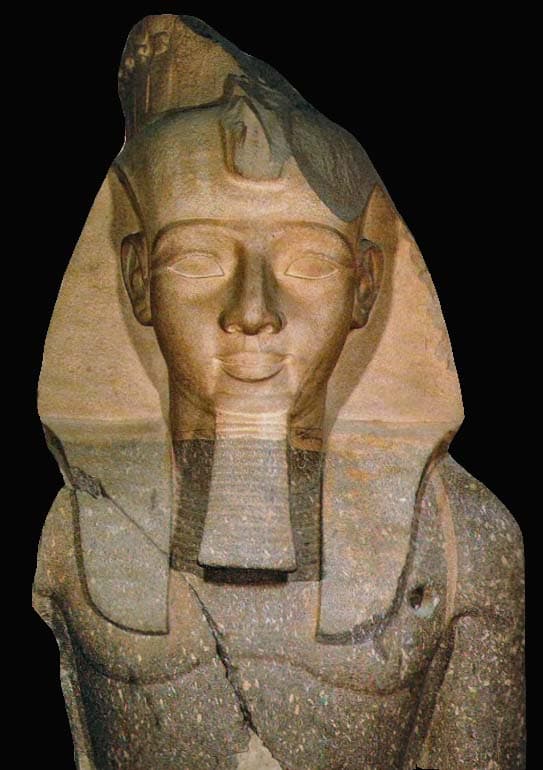
Bust of Ramesses II - the Younger Memnon

Ramesses II, son of Seti I and Queen Tuya, ascended to the throne around 1279 BC at the age of 25. He ruled Egypt for 66 years — one of the longest reigns in pharaonic history. A tireless builder and skilled administrator, he made the Nile Valley one of the most prosperous civilizations in the ancient world.

He married Nefertari and Isetnofret, and his offspring was prodigious: 60 daughters and 48 sons are known. In year 5 of his reign, he fought the Hittites at the famous Battle of Kadesh. Sixteen years later, a historic peace treaty was signed between the two empires — one of the oldest known diplomatic agreements.

A temple dedicated to eternity
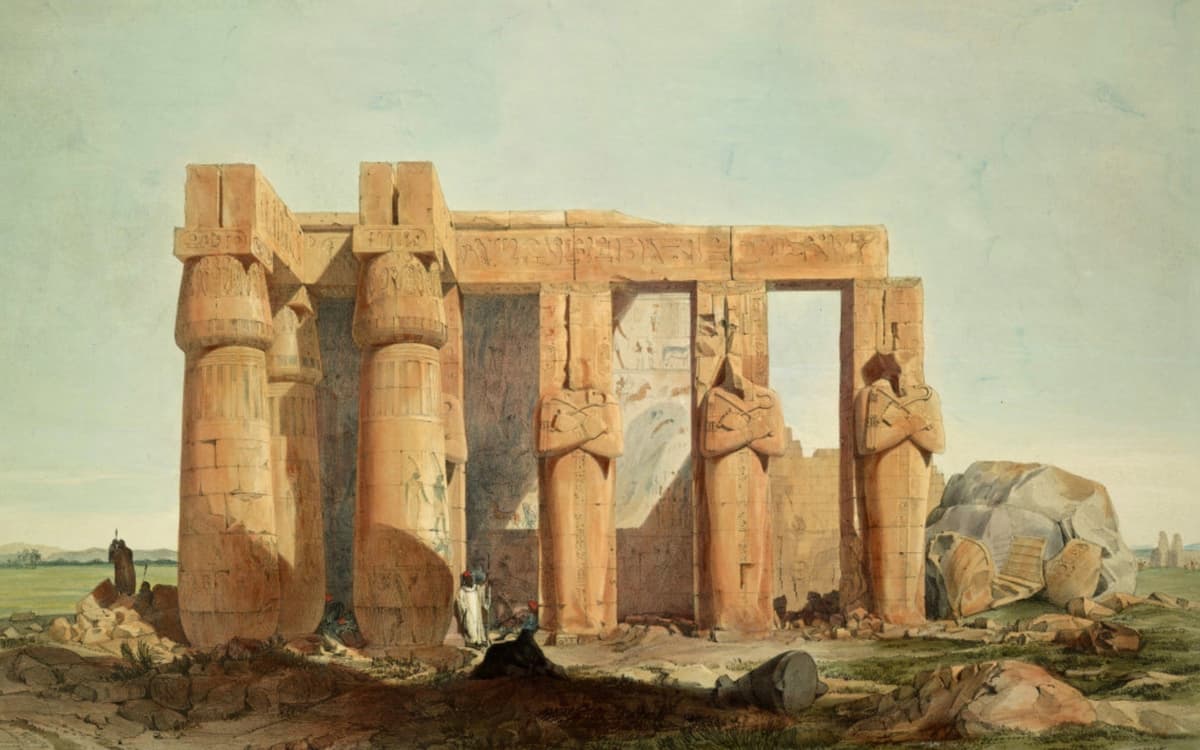
The Ramesseum temple

The name 'Ramesseum' was given by Jean-François Champollion and Ippolito Rosellini when they visited the monument in 1828-1829 and found the name of Ramesses inscribed on every wall and column. This 'Temple of Millions of Years,' built on the west bank of Luxor, was dedicated to the worship of the pharaoh and the god Amun-Ra.

Its construction required nearly twenty years of effort. Sandstone was transported by boat from the quarries of Gebel es-Silsileh, near Aswan, taking advantage of the annual Nile flood. Around the stone temple, a vast complex of brick annexes — vaulted storehouses, kitchens, bakeries, workshops, and even a scribes' school — could sustain up to 3,400 families.

The shattered colossus
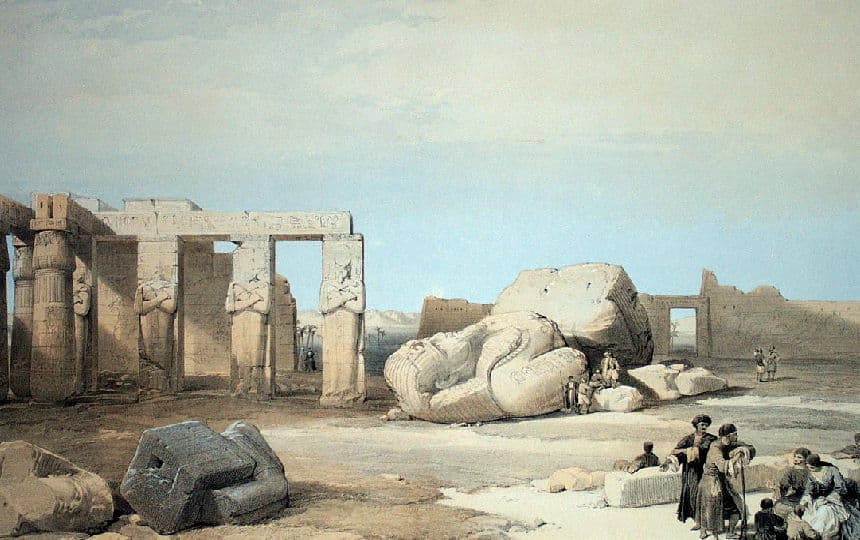
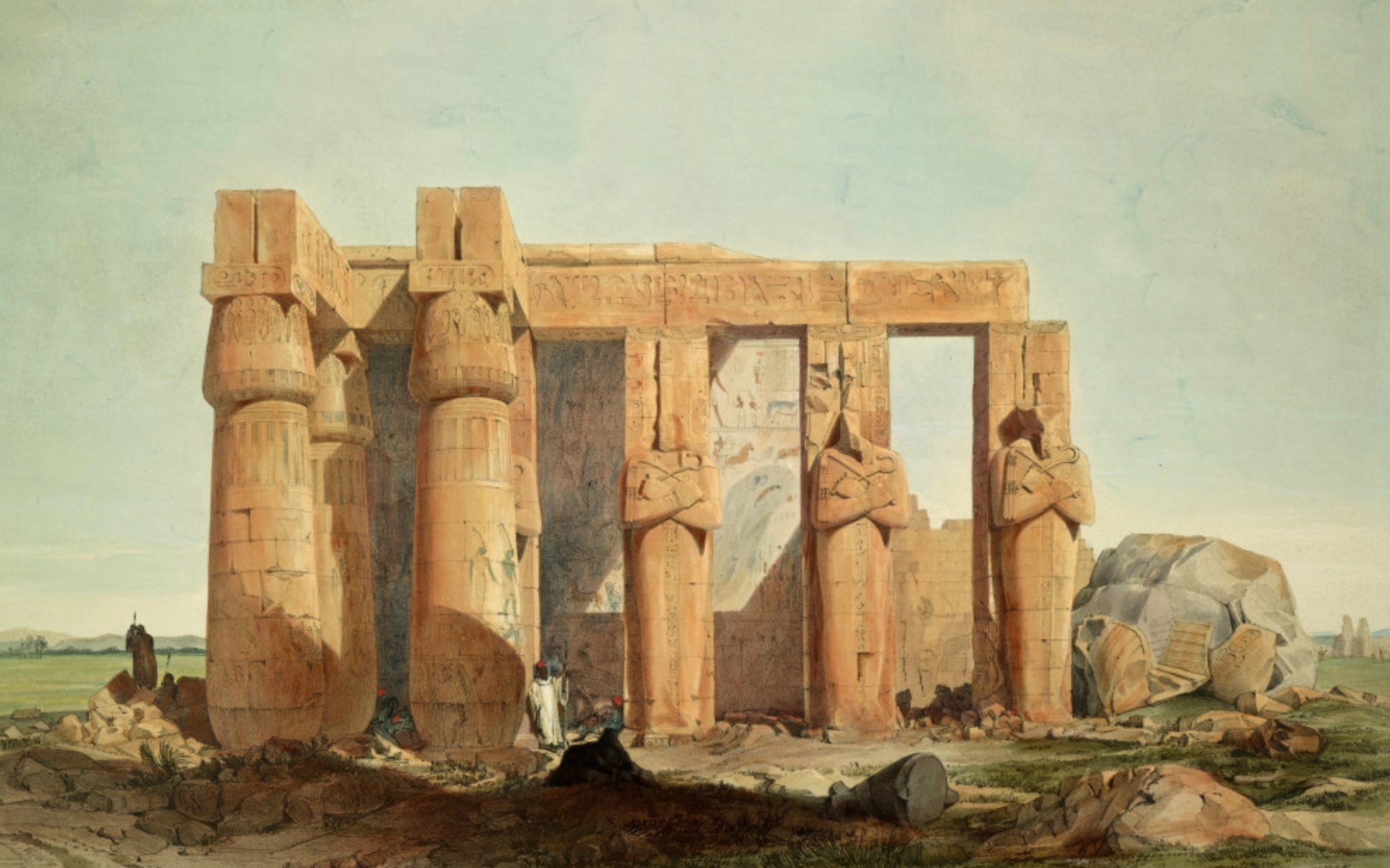
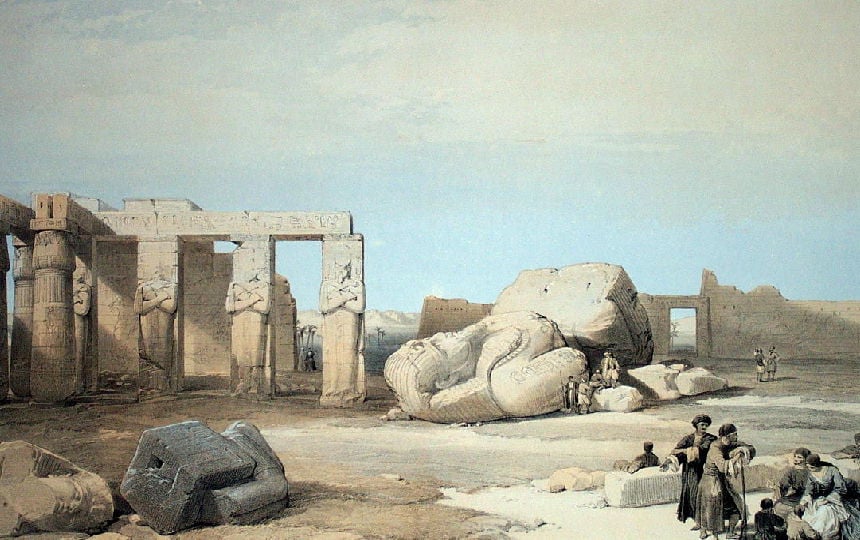
The Ramesseum by David Roberts, circa 1838

The History of the Ramesseum

From its construction by Ramesses II to its restoration today

January 1279

Construction of the Ramesseum

Ramesses II orders the construction of his mortuary temple on the west bank of Thebes.

January 1250

Temple completion

The temple is completed with its colossal statues and reliefs of the Battle of Kadesh.

January 1829

Champollion visits the Ramesseum

Jean-François Champollion studies and documents the temple during his Egyptian expedition.

January 1896

Petrie's excavations

Archaeologist Flinders Petrie conducts systematic excavations of the site.

January 1976

Christiane Desroches Noblecourt at the Ramesseum

Your concrete impact

Every donation directly contributes to the temple's restoration

15 €

Restore a brick

Save a millennia-old brick from the Ramesseum's vaulted storehouses. The most accessible way to become a guardian of the temple.

50 €

Adopt a sacred hieroglyph

Your name linked to a hieroglyph carved 3,200 years ago. Offering scenes, royal cartouches, sacred texts — each inscription tells the story of Ramesses II.

250 €

Save a statue of Ramesses

Fundraising goal

1%
2 260 € raised
300 000 € goal
17 donors

The temple in images

Discover the beauty and majesty of the Ramesseum

Panorama of the Ramesseum
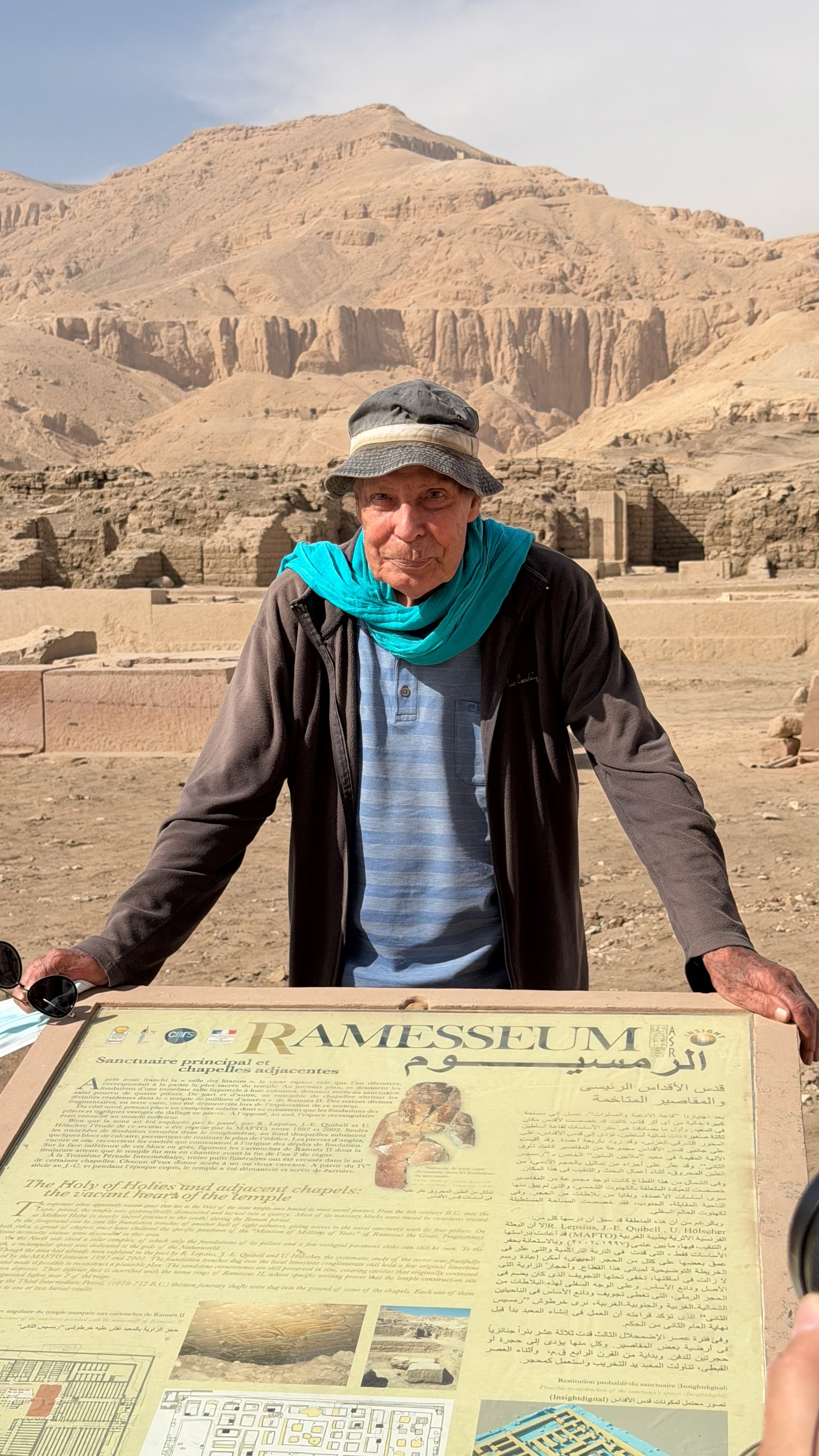
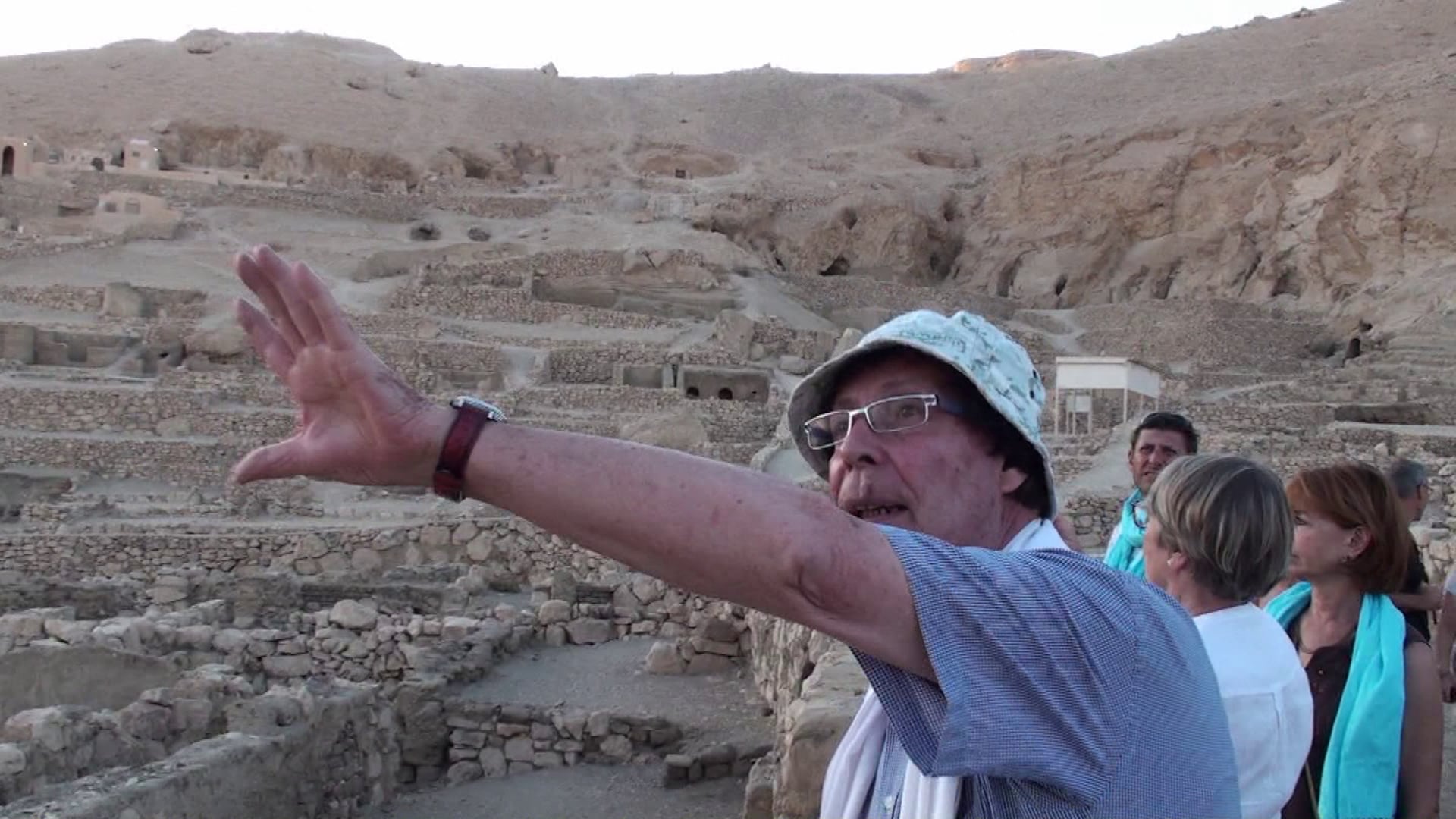
Christian Leblanc at the Ramesseum site

Christian Leblanc at the Ramesseum site

Aerial view of the Ramesseum

Aerial view of the Ramesseum

The Ramesseum temple

The Ramesseum temple

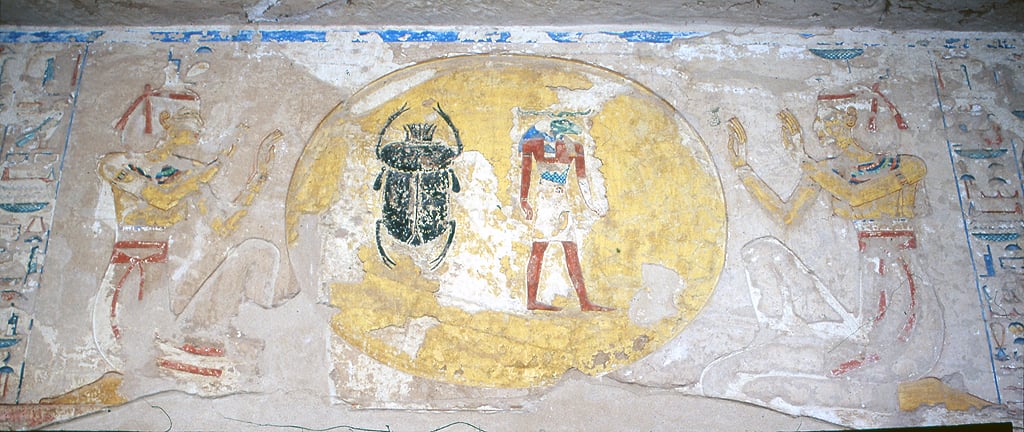
Lintel of the outer porch - KV7

Lintel of the outer porch - KV7

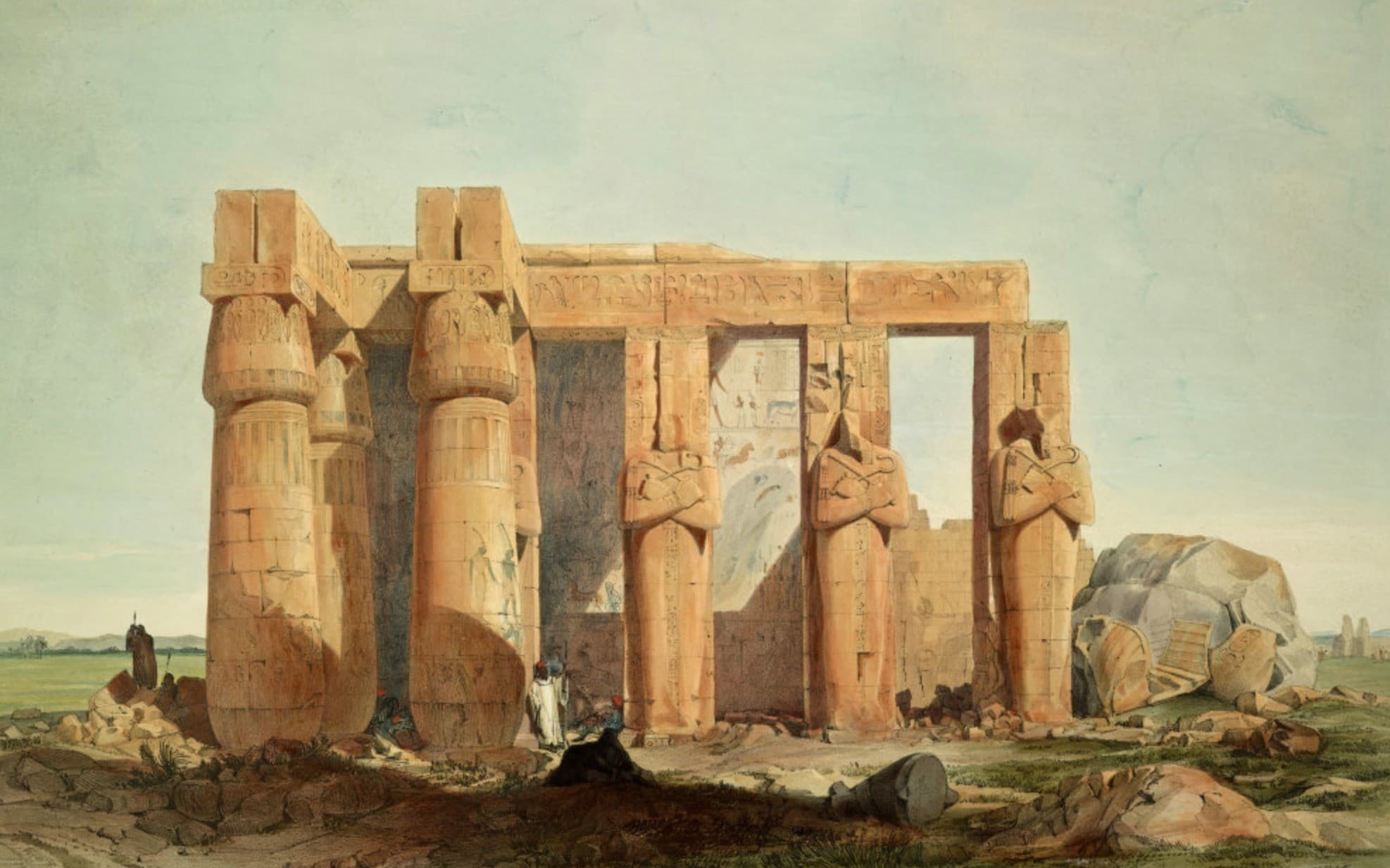
The Ramesseum by David Roberts

The Ramesseum by David Roberts

Ramesseum temple

Every stone matters

Become a guardian of Egyptian heritage by sponsoring a stone of the Ramesseum

109 stones still available

Adopte une Pierre

A project to preserve Egyptian heritage

© 2026 Adopte une Pierre. All rights reserved.

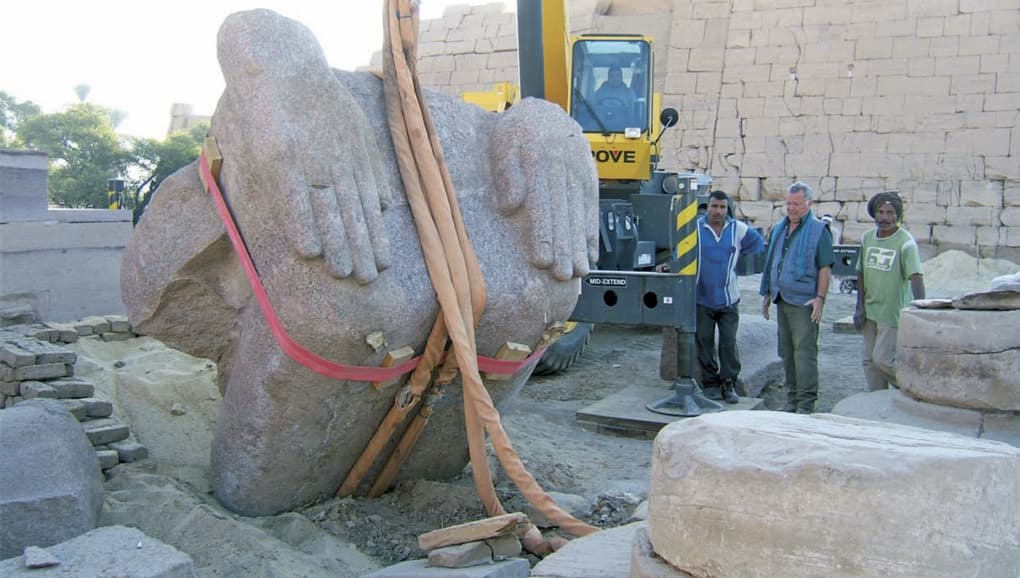
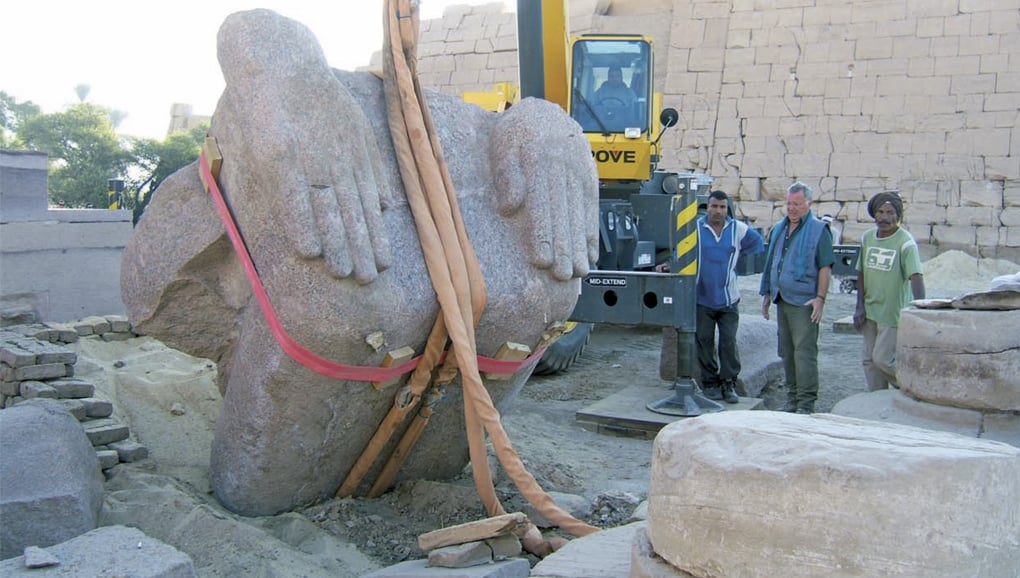
The most impressive statue of the Ramesseum was a gigantic granite colossus of Ramesses II, standing nearly 18 meters tall and weighing about 1,000 tons. Carved in the quarries of Aswan, it was transported along the Nile. It is often said that an earthquake toppled it, but the truth is different: it was deliberately brought down by men in the early centuries of our era.

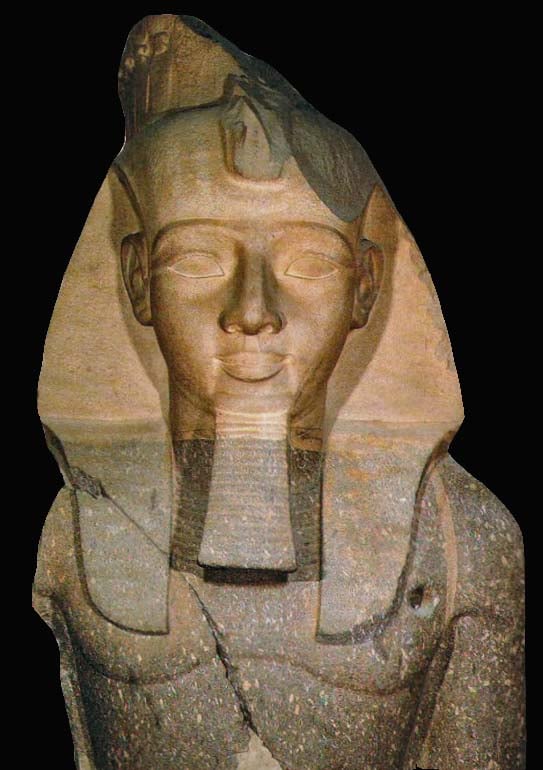
The bust of another royal statue — the 'Younger Memnon' — was taken by the British and now resides in the British Museum in London. This masterpiece, described by the poet Shelley in his famous sonnet 'Ozymandias,' has become one of the most iconic symbols of pharaonic Egypt.

The preservation mission

Restoration work at the Ramesseum

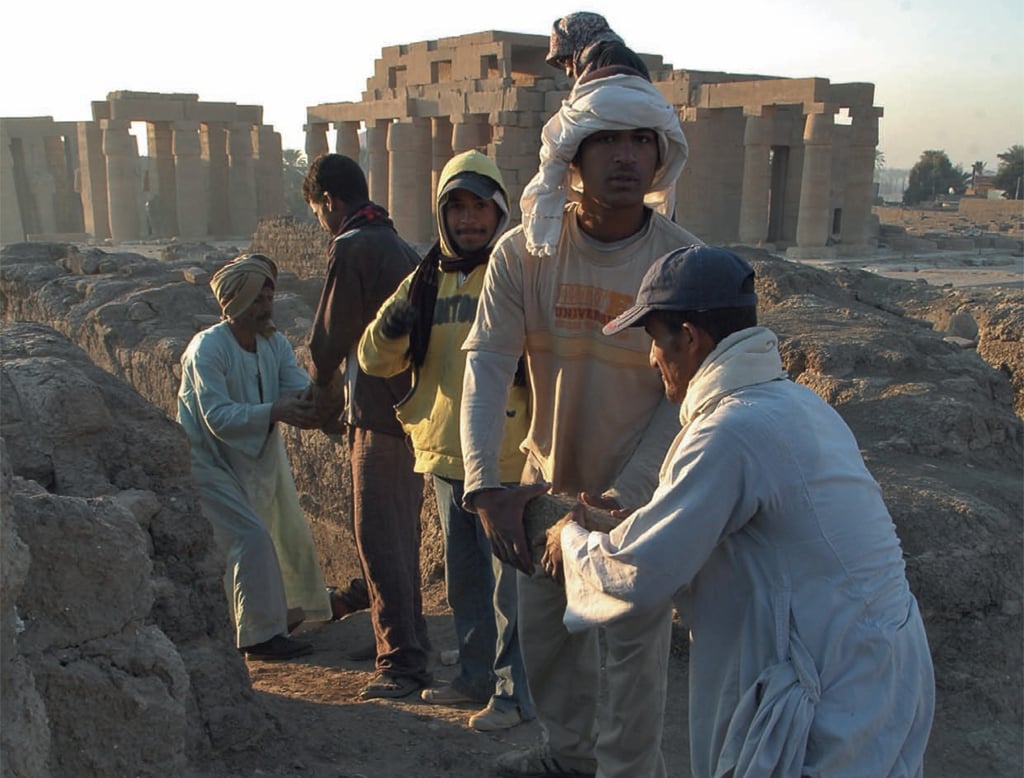
Since 1991, a Franco-Egyptian team of specialists has been working at the Ramesseum under the direction of Christian Leblanc (CNRS/MAFTO). The program involves excavating the monument, restoring its structures, and protecting its fragile decorations. Each year, new discoveries enrich our understanding of this distant era.

The Ramesseum has been a UNESCO World Heritage Site since 1979. Archaeologists have notably reassembled fragments of the statue of Queen Tuya, mother of Ramesses II, and continue to consolidate the columns, walls, and vaulted storehouses — a unique example in the architecture of that era.

Your stone in history

Restoration work at the Ramesseum

This unique heritage belongs to all of humanity. But time, earthquakes, and Nile floods continue to threaten the temple's structures. Every restored stone is a fragment of history saved for future generations.

By sponsoring a stone of the Ramesseum, you become an active participant in this archaeological adventure and make a concrete contribution to preserving one of ancient Egypt's greatest monuments. Your name will join those of the guardians who, for over 3,000 years, have watched over the memory of Ramesses the Great.

Christiane Desroches Noblecourt launches preliminary work at the Ramesseum, continuing her major project around Ramesses II and the 'Ramesses the Great' exhibition of 1976.

January 1991

Christian Leblanc and the MAFTO

Christian Leblanc takes charge of the French Archaeological Mission of Thebes-West (MAFTO) and founds the Association for the Safeguarding of the Ramesseum (ASR). The mission has been excavating and restoring the Ramesseum since 1991.

September 2026

Launch of Adopte une Pierre

Launch of the crowdfunding platform for the restoration of the Ramesseum.

December 2026

Phase 1: Osiris columns

Beginning of the restoration of the Osiris columns in the second court.

Sponsor a colossus fragment, a royal bust, or an Osiris statue. Your name etched in history alongside Egypt's greatest pharaoh.

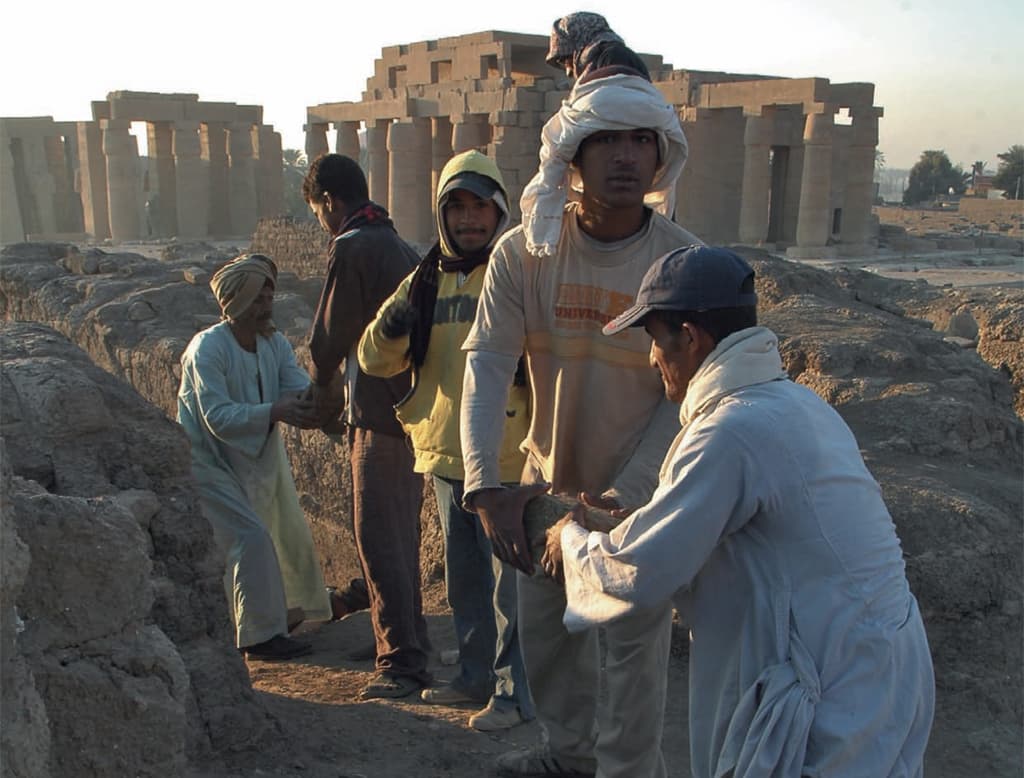
Restoration site 2006-2007

Restoration site 2006-2007

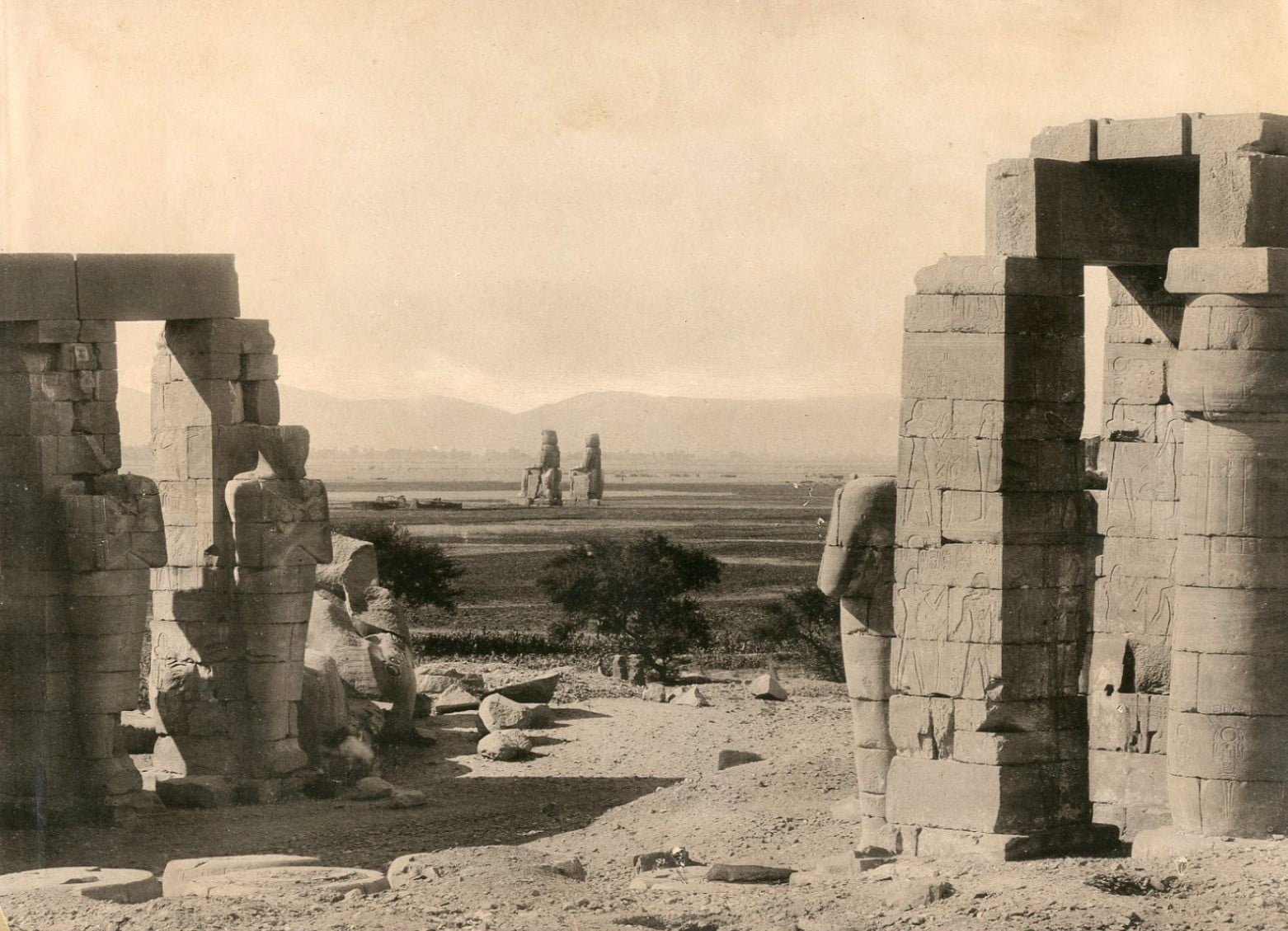
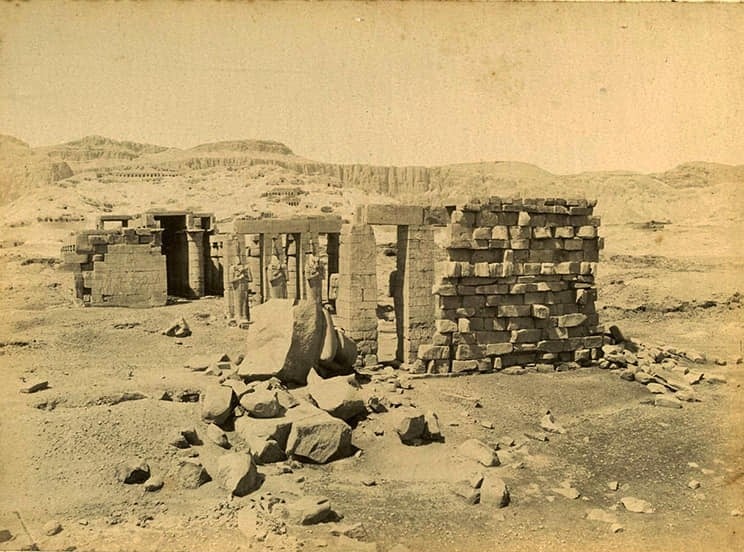
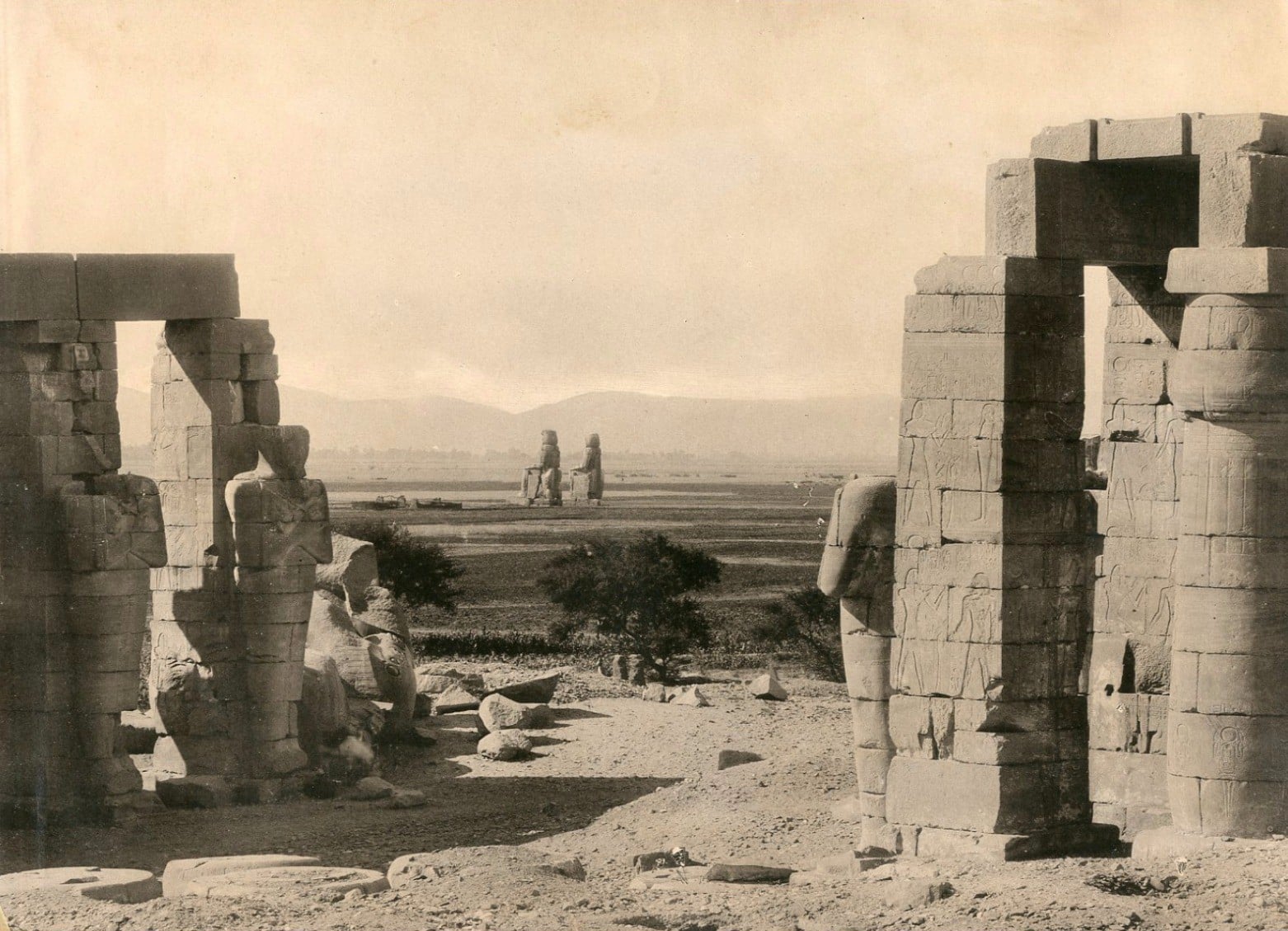
The Ramesseum around 1890

The Ramesseum around 1890

The Younger Memnon

The Younger Memnon

Journey to the Ramesseum

Journey to the Ramesseum

Restoration site 2011-2012

Restoration site 2011-2012

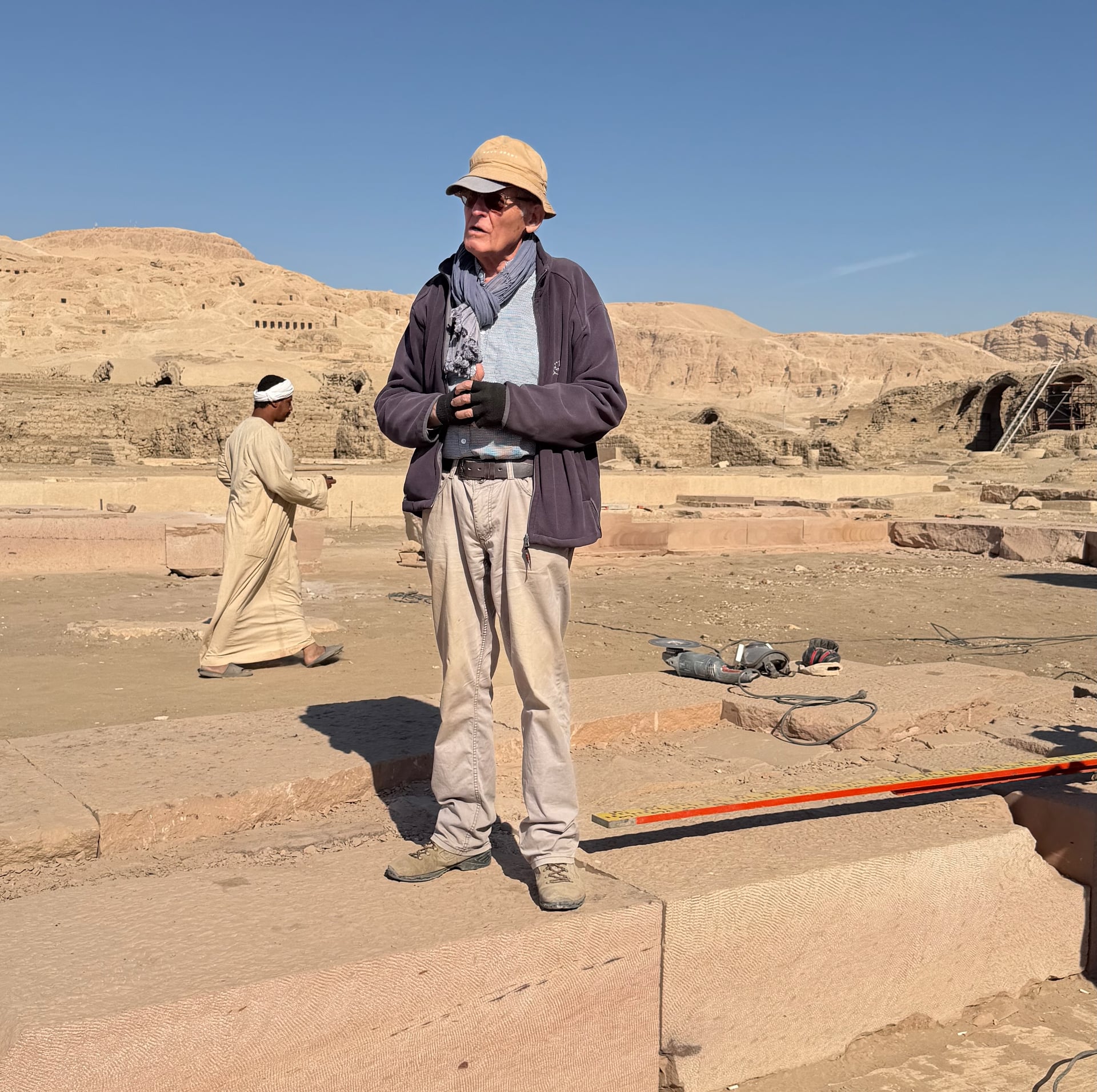
Guy Lecuyot at the Ramesseum

Guy Lecuyot at the Ramesseum

Photos: © Association de Sauvegarde du Ramesseum — asramesseum.org

Sponsor a stone
From 15 €
From 50 €
Sponsor now
Explore the map
Find my stone
Legal notice
Privacy policy
Terms of use
Admin
From 250 €